
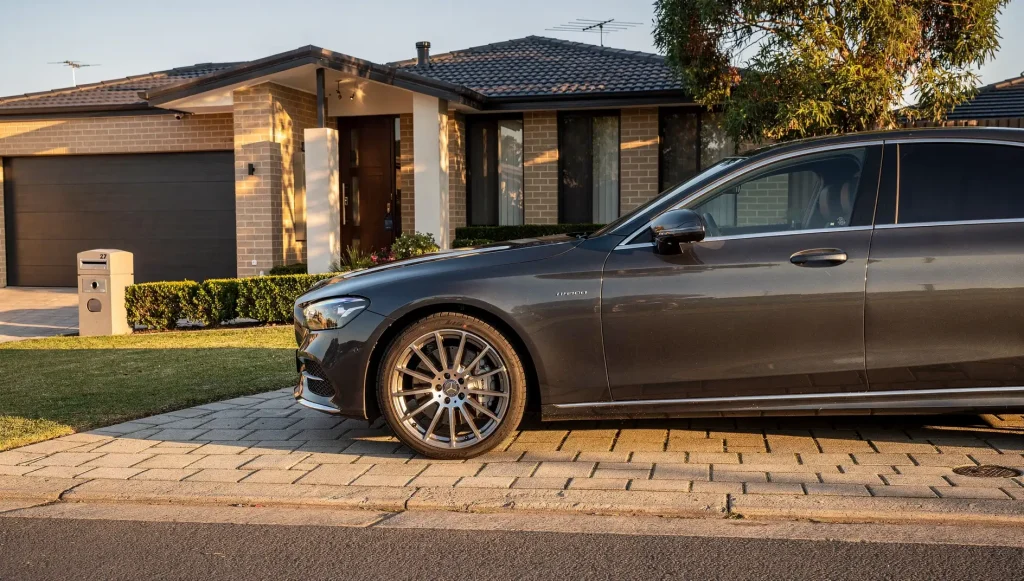
Most car owners think about detailing when their vehicle looks dirty — but by then, some of the damage has already started. If you’re looking for practical car detailing advice tailored to where you actually live and drive, Perth’s conditions make this question worth answering carefully. The climate here is genuinely harder on vehicles than most people realise, and getting the timing right matters.
Why Perth’s Climate Changes the Equation
Perth sits in one of the sunniest cities in the world, averaging well over 3,000 hours of sunshine per year. That’s not just good beach weather — it’s a sustained UV assault on your vehicle’s paintwork, rubber seals, plastic trim, and dashboard materials. UV radiation breaks down clear coat, fades interiors, and dries out surfaces that need flexibility to stay intact.
Add to that the coastal proximity of much of the metropolitan area. Salt air doesn’t need to be visible to do its work. Fine salt particles settle on paint, get into crevices, and accelerate oxidation and corrosion — especially in suburbs close to the ocean like Fremantle, Scarborough, Cottesloe, and Rockingham. Even if you park a few kilometres from the beach, sea air moves inland and still has an effect.
Summer temperatures regularly exceed 35–40°C, and a car parked in direct sun can reach interior temperatures above 70°C. That kind of heat degrades adhesives, warps materials, and bakes contaminants into paint surfaces. The dry summer also means dust and fine particles are constantly in the air, settling on and bonding to your vehicle’s exterior.
A General Frequency Guide for Perth Conditions
There’s no single answer that fits every car and every owner, but there are some useful benchmarks based on how Perth’s conditions actually behave across the year.
For a full detail — which typically covers a thorough exterior wash and decontamination, paint correction or protection work, and a complete interior clean — most Perth vehicles benefit from this two to four times per year. That roughly aligns with the seasonal shifts: before summer hits, mid-summer, heading into winter, and then at winter’s end. Each of those points represents a meaningful change in what your car has been exposed to.
A maintenance wash or light detail should happen more frequently — ideally every four to six weeks at minimum. This keeps surface contaminants from bonding and makes full detail sessions more effective when they do happen. If you’re parking outdoors, driving on unsealed roads, or living near the coast, shortening that interval makes sense.
Factors That Increase How Often You Should Detail
Several things push the recommended frequency up from the baseline. Where you park is one of the biggest. Outdoor parking — whether on the street or in an exposed driveway — means your car is getting full sun, bird activity, tree sap, and airborne debris around the clock. Covered or undercover parking reduces UV exposure significantly and can extend the time between full details.
- Coastal location: Living or working near the ocean means more salt air contact, which calls for more frequent washing and attention to lower panels and wheel arches.
- Commuting distance and road type: Long daily commutes, especially on freeways or unsealed roads, introduce more contamination faster.
- Vehicle colour: Darker colours show water spots, dust, and oxidation more readily, so they tend to require more frequent attention to stay looking their best.
- Vehicle age: Older paint with less protective clear coat left is more vulnerable and benefits from more regular protective treatments.
- How the car is used: A work ute used on site every day needs more frequent care than a weekend car kept in a garage.
Seasonal Timing Makes a Real Difference
Perth doesn’t have the dramatic four seasons of southern or eastern states, but the shift between a long, hot, dry summer and a mild, wet winter does create distinct detailing windows that are worth planning around.
Before summer — typically from October onwards — is one of the most important times to detail. Applying a protective wax, sealant, or ceramic coating at this point gives your paint a barrier before it faces months of intense UV and heat. Skipping this window means your paint goes into summer without much between it and the sun.
At the end of summer, usually around March or April, another detail makes sense. This cleans up accumulated insect residue, oxidation, water spots, and any minor paint damage before the cooler months set in. It also prepares the car for Perth’s winter rain, which can drive contaminants into unprotected surfaces.
Winter itself is often overlooked, but the combination of rain, overnight damp, and organic matter like pollen and leaves creates its own set of issues. A mid-winter detail — or at least a thorough wash and interior clean — is worthwhile, particularly if the car is parked outdoors.
Interior vs Exterior: They Don’t Always Need the Same Schedule
It’s easy to focus entirely on the exterior, but Perth’s heat makes interior care just as time-sensitive. Dashboard plastics, leather seats, and rubber seals all degrade under UV and heat exposure. A car left in the sun without UV protection on the interior can show cracking and fading within a few years.
Interior detailing — which includes a full vacuum, surface wipe-down, leather or fabric conditioning, and treatment of plastics — doesn’t need to happen as often as exterior washing, but it should be part of your full detail schedule. Most Perth owners find that two to three interior details per year, timed around the season changes, keeps things in good condition.
Pay attention to the small signs: a dusty smell when you get in, slightly tacky surfaces, or a dashboard that looks dull and dry are all signals that the interior needs attention before more serious degradation sets in.
Making the Decision Work in Practice
The honest answer to how often you should detail your car in Perth is: more often than most people currently do. That’s not a sales pitch — it’s just what the UV index, the coastal air, and the temperature data suggest. The good news is that keeping up with regular maintenance washes makes each full detail easier and less intensive.
A simple approach is to plan two full details per year as a minimum — one before summer, one after — and fill in the gaps with monthly maintenance washes. Adjust from there based on where you live, how you use the car, and how much time it spends outdoors. Living closer to the coast or parking outside all day are the two factors most worth accounting for.
There’s quite a bit more behind why Perth specifically is harder on vehicles than other Australian cities, and we’ll be covering the effects of UV radiation and salt air on car paintwork and metal surfaces in an upcoming guide — it’s a topic that tends to surprise people who’ve never thought about it in detail.